
How does filtration protect product quality in flexible OLED display manufacturing? This case study explains how Darlly’s PAE Series PES Pleated Filter Cartridges support high-flow water filtration, particle control, and stable production in advanced display panel manufacturing.
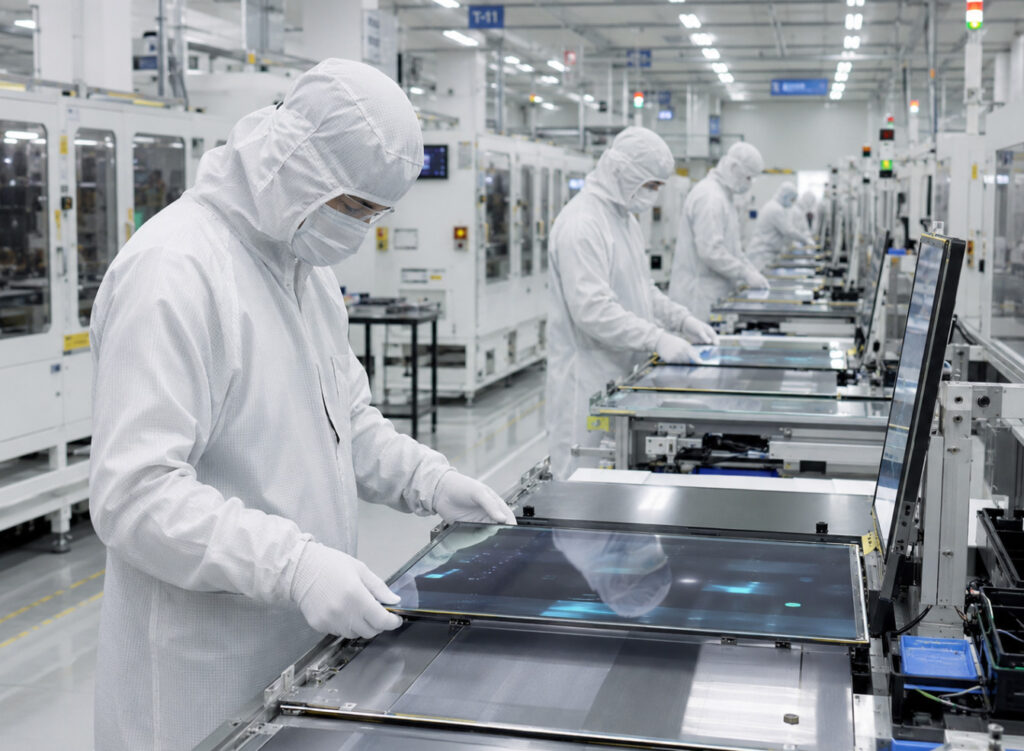
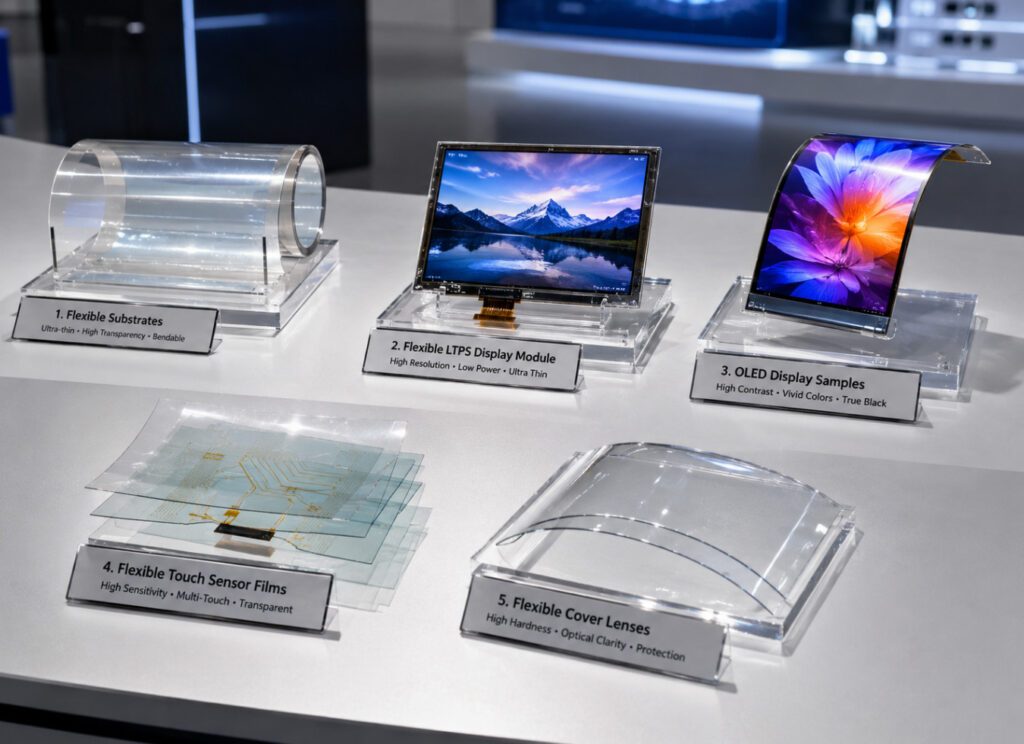
The customer operates a flexible display facility in China with a designed monthly capacity of 45,000 glass substrates, each measuring 1500 mm × 1850 mm. Its products include 3-inch to 12-inch high-resolution flexible and foldable OLED panels for smartphones and other electronic applications.
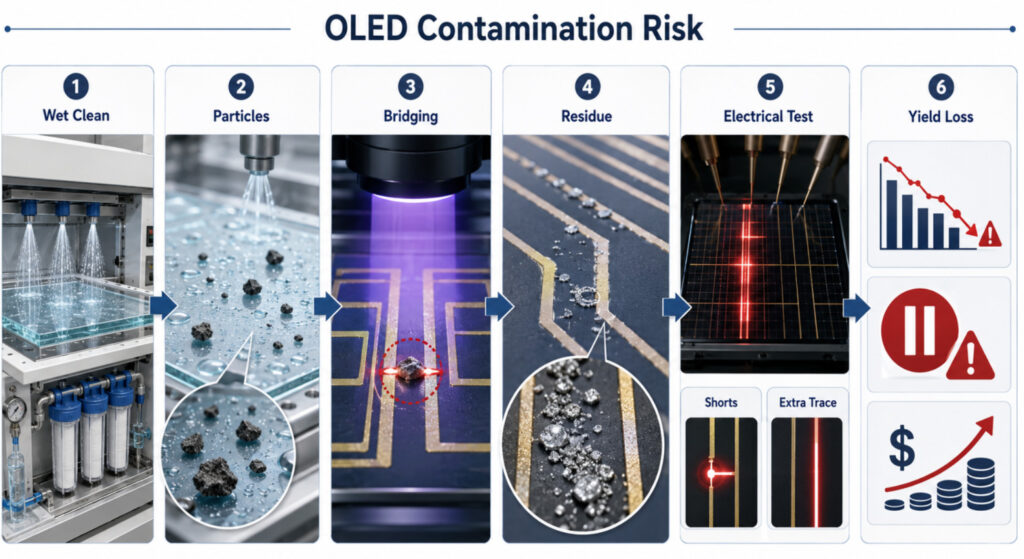
Across the Array, TP, and EL processes, high-purity water, gases, and chemicals are essential. Water-stage filtration is particularly important during wet cleaning. If filter cartridges cannot provide sufficient particle retention, contaminants may reach the glass substrate and interfere with photolithography, coating, and etching processes.
These particles can connect patterns that should remain isolated or leave conductive residues between electrodes. The resulting defects may include short circuits, abnormal segments, unexpected patterns, and extra traces—leading to lower manufacturing yield, production interruptions, and higher operating costs.
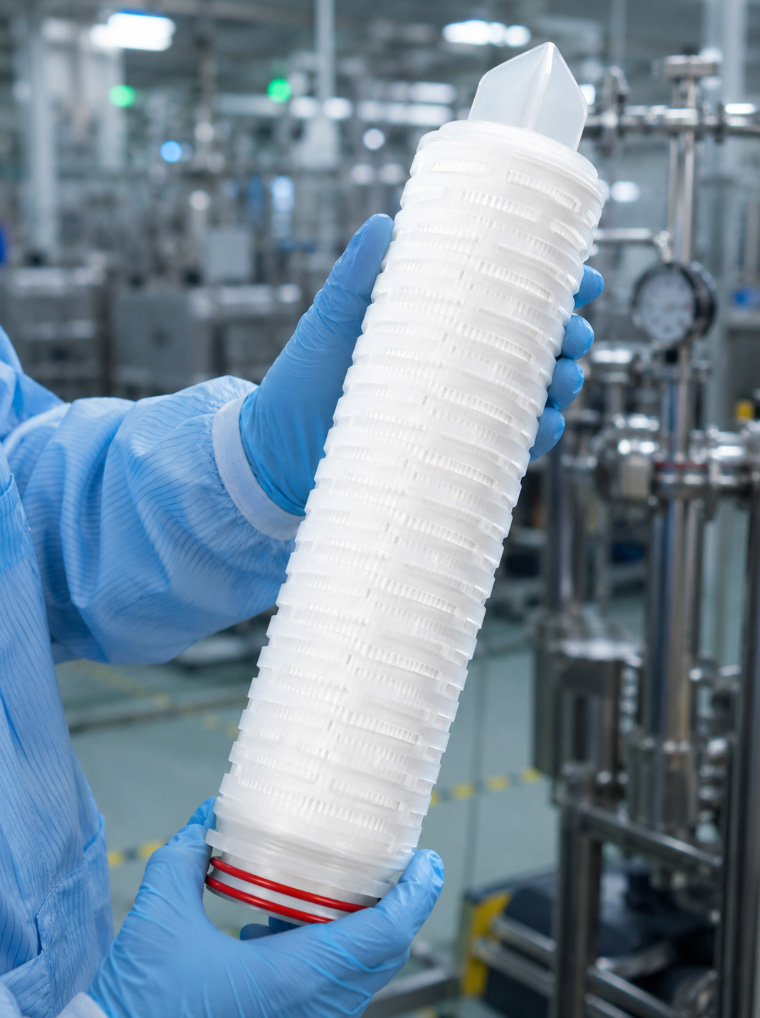
To support the customer’s high-flow water filtration requirements, Darlly provided PAE Series PES Pleated Filter Cartridges. Their hydrophilic, highly asymmetric PES membrane structure delivers:
As flexible OLED displays become thinner, more precise, and more complex, contamination control becomes increasingly critical. Reliable PES membrane filtration helps display manufacturers protect substrate cleanliness, improve process stability, reduce avoidable downtime, and support consistent product quality.